
AQUA THERAPY
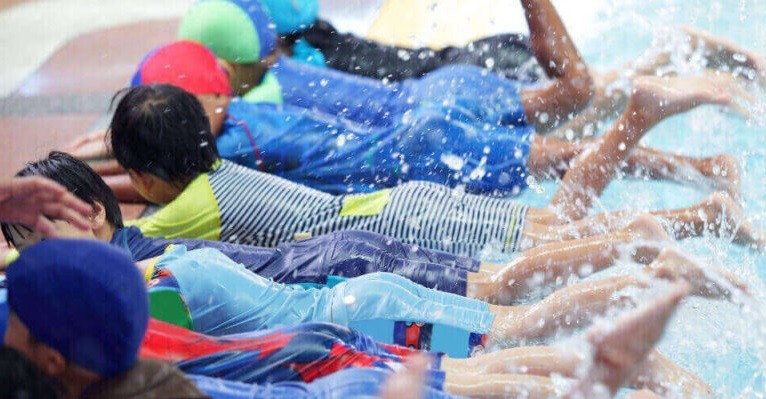
Aqua therapy, also known as aquatic therapy, is a specialized form of physical and occupational therapy conducted in a pool or aquatic environment. It utilizes the properties of water, such as buoyancy, resistance, and pressure, to aid in rehabilitation and improve physical and sensory function in children. This therapy is beneficial for children facing various physical and developmental challenges, including those with cerebral palsy, Down syndrome, autism spectrum disorders, and sensory processing disorders.
Benefits of Aquatic Therapy for Kids:
- Improved Motor Skills:
Buoyancy reduces the impact on joints, allowing children to move more freely and comfortably, which helps with balance, coordination, and overall motor skills.
- Increased Strength and Endurance:
The resistance of the water provides a gentle yet effective way to build muscle strength and endurance.
- Enhanced Sensory Input:
Water offers unique sensory experiences that can be particularly beneficial for children with sensory processing disorders, aiding in self-regulation and improved sensory integration.
- Psychological Benefits:
Aquatic therapy can boost self-esteem, confidence, and provide a sense of accomplishment as children master new skills in the water.
- Reduced Pain and Swelling:
Water's buoyancy and pressure can help reduce pain and swelling, particularly in children with joint or muscle injuries.
- Improved Respiratory Function:
Working against the resistance of the water can strengthen the muscles used for breathing and improve breathing patterns.
- Fun and Engaging:
Pools are often perceived as a fun environment for children, which can increase their motivation and participation in therapy sessions.
Conditions Addressed by Aquatic Therapy:
- Cerebral Palsy:
Aquatic therapy can help improve muscle control, strength, and self-confidence in children with cerebral palsy.
- Down Syndrome:
It can aid in developing motor skills and overall physical function for children with Down syndrome.
- Autism Spectrum Disorders:
Aquatic therapy can help with sensory regulation and motor skills in children with autism.
- Sensory Processing Disorders:
The sensory experiences in the water can be beneficial for children with sensory processing difficulties.
- Developmental Delays:
Aquatic therapy can help children with developmental delays improve their motor skills and overall development.
- Injuries:
It can be used to aid in rehabilitation and recovery from injuries, providing support and reducing stress on joints.
- Hypoxic-Ischemic Encephalopathy (HIE):
Aquatic therapy can help minimize negative symptoms and improve function in children with HIE and related conditions.
In summary, aquatic therapy offers a unique and effective approach to physical and occupational therapy for children, providing numerous physical and psychological benefits while making therapy fun and engaging