DANCE AND MOVEMENT THERAPY
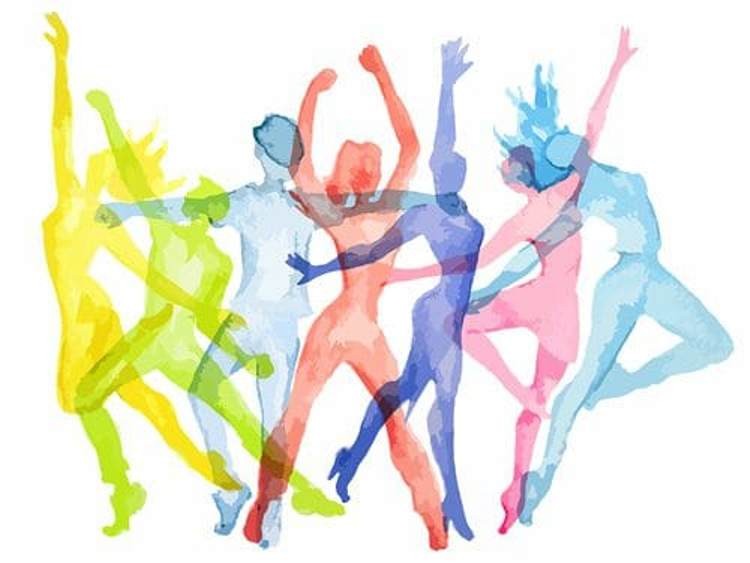
Dance/movement therapy (DMT) for children utilizes movement and dance to support emotional, social, cognitive, and physical development. It provides a creative and expressive outlet for children to explore their emotions, improve self-awareness, and enhance communication skills. DMT can be beneficial for children with various needs, including those with autism, behavioral problems, and cerebral palsy.
How Dance/Movement Therapy Helps Children:
- Emotional Development:
DMT helps children identify and express their emotions, improve self-awareness, and enhance emotional regulation.
- Social Development:
Group DMT sessions foster social interaction, cooperation, and the development of trust and bonds with others.
- Cognitive Development:
DMT can improve cognitive skills like spatial awareness, coordination, and problem-solving.
- Physical Development:
DMT can improve motor skills, balance, coordination, and muscle strength through movement and dance.
- Communication:
DMT can enhance communication skills, particularly for children who may struggle with verbal communication, by encouraging non-verbal expression and body language.
Specific Benefits for Children with Different Needs:
- Autism:
DMT can improve motor skills, social interaction, and communication skills, and reduce anxiety in children with autism.
- Behavioral Problems:
DMT can provide a healthy outlet for emotional expression and help children learn to regulate their emotions and behaviors.
- Cerebral Palsy:
DMT can improve motor skills, coordination, and muscle strength in children with cerebral palsy.
In essence, dance/movement therapy offers a holistic approach to child development by integrating movement, creativity, and emotional expression to promote well-being and address various challenges.