MUSIC THERAPY
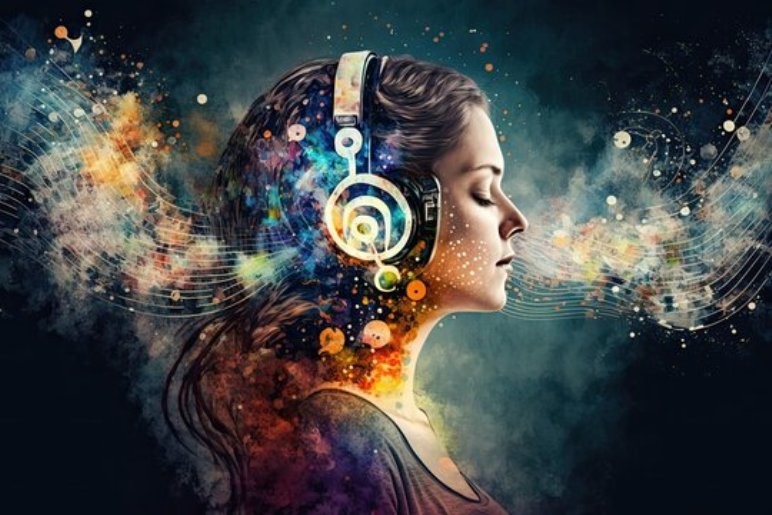
Music therapy offers a wide range of benefits for children, including emotional, social, cognitive, and physical development. It uses music as a tool to help children address various needs, such as managing stress, improving communication skills, and enhancing motor skills. Music therapy can be particularly helpful for children with special needs, including those on the autism spectrum.
Benefits of Music Therapy for Children:
- Emotional Development:
Music therapy helps children explore and express their emotions, manage stress and anxiety, and build self-esteem.
- Social Development:
It fosters social interaction, communication, and cooperation through group music activities.
- Cognitive Development:
Music therapy can improve cognitive skills like attention, memory, and language development.
- Physical Development:
It enhances motor skills through activities like dancing, playing instruments, and movement to music.
- Special Needs:
Music therapy can be highly effective for children with autism, ADHD, and other developmental or neurological conditions, helping them improve communication, social skills, and sensory processing.
How Music Therapy Works:
Music therapists use a variety of techniques, including:
- Music Listening: Engaging with pre-recorded or live music for relaxation, emotional processing, or sensory stimulation.
- Instrument Play: Encouraging children to play instruments like drums, xylophones, or guitars to improve motor skills, coordination, and self-expression.
- Lyric Analysis: Examining the meaning and emotions conveyed through song lyrics.
- Songwriting: Creating original songs to express thoughts, feelings, and experiences.
- Movement and Dance: Incorporating movement and dance to music to improve physical coordination and emotional expression.
